Toronto Police Introduce Tactical Task Force in Response to Global Tensions
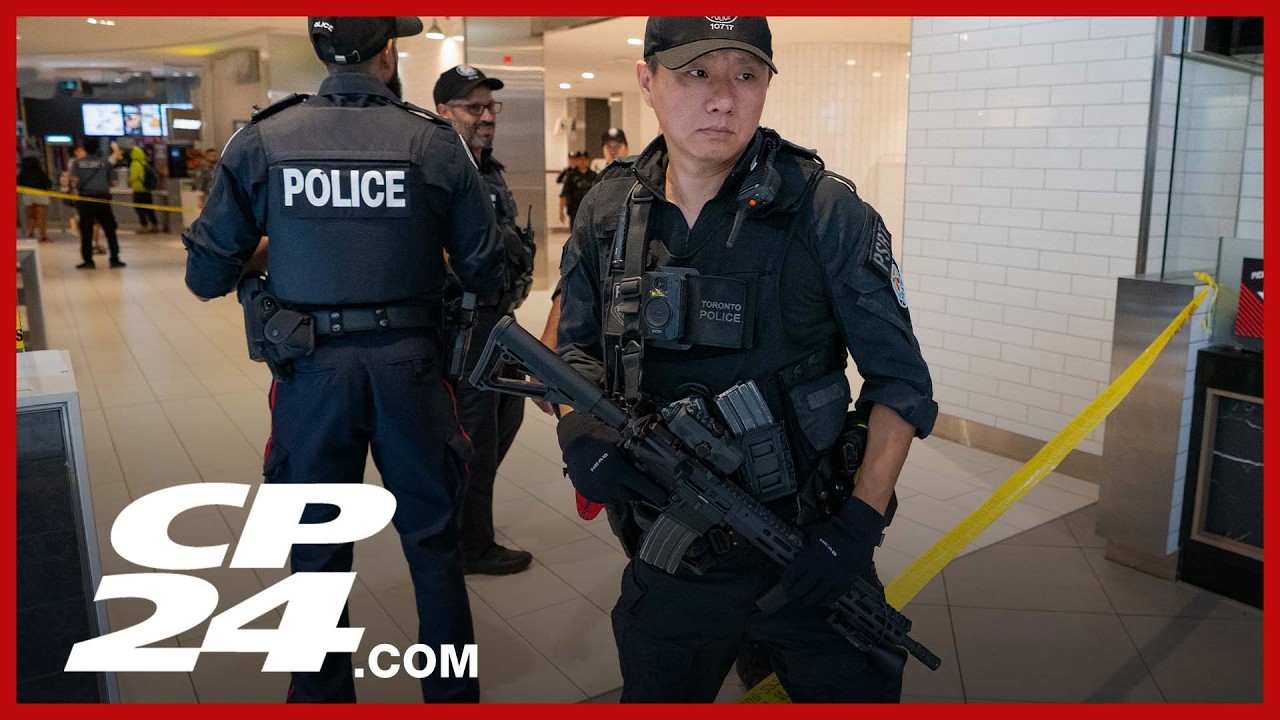
In a significant move aimed at enhancing public safety, Toronto police unveiled plans to deploy more officers in tactical gear across major hotspots, including places of worship, tourist hubs, and community centers. This initiative comes amid rising geopolitical tensions worldwide and recent violent incidents involving religious institutions, underscoring the need for a proactive law enforcement approach.
CP24 crime analyst Steve Ryan elaborated on the motivations behind this new task force, emphasizing the urgency shaped by global events. Recent attacks, such as shooting incidents at synagogues and an American consulate, have heightened concerns about the potential for terrorism and violent crime. In light of these developments, police are taking preemptive measures to deter criminal activity in areas where vulnerability may be most pronounced.
The deployment of officers will be visibly different from routine patrols. Those stationed at key locations will be equipped with tactical gear and long guns. However, police officials, including the chief of police, have reassured the public that this does not signify an immediate threat. They strive to convey that the presence of armed officers is a precautionary measure rather than a reaction to an existing crisis.
Steve Ryan stressed the dual purpose of this initiative: deterrence and rapid response. With officers stationed at strategic points, the police will not only deter potential offenses but also enhance their ability to react swiftly should any incidents arise. This method aims to bolster public confidence while addressing security concerns.
But how are law enforcement agencies establishing this new counterterrorism unit? Reports indicate that it is a dedicated squad designed to focus exclusively on calls related to elevated threats. This specialization allows the police to allocate resources effectively. By diverting certain units to this task force, everyday patrol officers remain available to respond to routine calls, ensuring that regular policing is not compromised.
The logistics involved in creating this specialized unit raise questions about long-term viability. Ryan suggests that, given the current climate, this task force is likely to be a permanent fixture in Toronto’s policing strategy. Community safety remains paramount, and the escalation of threats in recent years suggests that heightened vigilance may be necessary for the foreseeable future.
Despite the proactive measures being taken, some members of the community have expressed concerns about the visual implications of more armed officers on the streets. The sight of police in tactical gear may elicit discomfort or anxiety among citizens, raising questions about how such a presence will be perceived. However, Ryan argues that this is simply a reflection of the times we live in. The police’s commitment to equipping officers with advanced resources is intended to counter potential threats effectively.
Ultimately, the police aim to strike a balance between community safety and public perception. While some citizens may find comfort in the increased police visibility, others may feel apprehensive. The challenge will be to communicate the rationale behind these changes effectively, fostering trust while ensuring that community members feel safe and secure.
As this initiative unfolds, Toronto residents will undoubtedly have varying reactions. It is critical for law enforcement to remain transparent and engaged with the community. Dialogue about public safety and police presence will help mitigate fears and build a collaborative environment where safety measures are understood in the context of protecting citizens.
In conclusion, the Toronto police force is reshaping its operational landscape in response to evolving threats. The introduction of a tactical task force signifies a shift toward proactive, strategic policing. As the situation develops, the effectiveness of this initiative will be closely observed and evaluated—not just by law enforcement, but by the community it is meant to protect.